
How to Choose a Pillow for Your Sleep Position
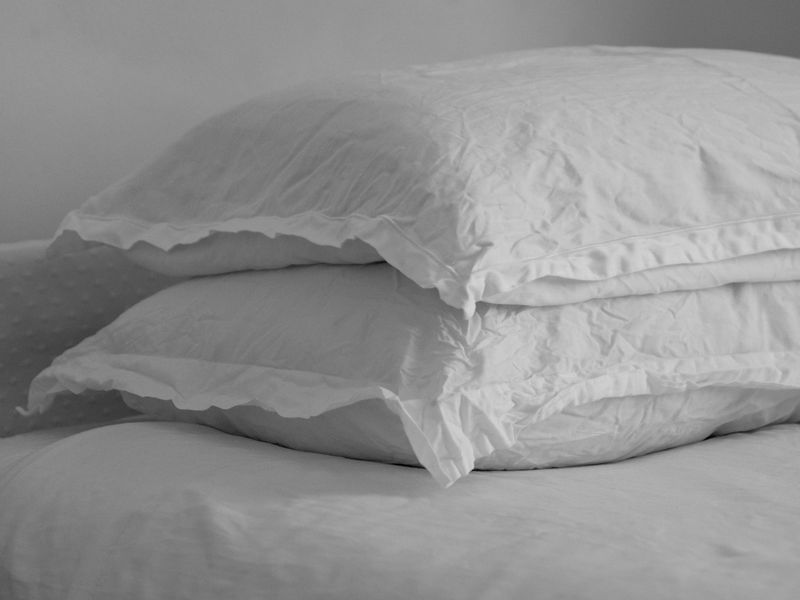
Short answer: the right pillow keeps your head and neck in line with your spine in the position you actually sleep in. Side sleepers need the most height (loft) to fill the gap between the ear and the shoulder. Back sleepers need a medium loft that supports the curve of the neck without pushing the head forward. Stomach sleepers need a very thin pillow, or none at all. If you switch positions through the night, an adjustable pillow with removable fill is the easiest way to get it right.
Loft: the number that matters most
Loft is how high a pillow sits when your head is on it, not how tall it looks in the package. Sleep Foundation’s advice for side sleepers is to choose a loft that matches the distance between your neck and your shoulder, so your whole spine stays in a neutral line. For back sleepers, it says to use a pillow that supports the natural curve of the neck without being too high.
Two things change how much loft you need:
- Your build: broad shoulders mean a bigger gap to fill when you lie on your side, so you need more loft.
- Your mattress: a soft mattress lets your shoulder and hips sink in, which shrinks the gap. On a soft bed you usually need less loft than on a firm one.
Pick by sleep position
| You sleep on your… | Loft | Feel | Extra pillow that helps |
|---|---|---|---|
| Side | High: fills the space from ear to shoulder | Medium-firm to firm, so it doesn’t flatten under your head | A small pillow between the knees takes strain off the lower back and hips |
| Back | Medium: supports the neck curve, head not pushed forward | Medium; a contoured shape can help | A thin pillow under the knees or the small of the back eases lower-back pressure |
| Stomach | Very low, or no pillow | Soft and squashable | A thin pillow under the hips evens out the spine |
| All of the above (combination) | Adjustable | Moldable fill you can push around | Choose a pillow with removable fill and set it for the position you spend most time in |
Position advice from Sleep Foundation’s “What Is the Best Sleeping Position?” page, read October 18, 2026. It notes side sleeping is the most common position, and that stomach sleeping can strain the neck and lower back.
Fill types compared
| Fill | How it feels | Good to know |
|---|---|---|
| Solid memory foam | Slowly sinks and cradles the head and neck | Strong pressure relief and holds a fixed height. Some people find it warm. Contoured shapes are common. |
| Shredded foam | Moldable, springier than solid foam | Often sold with removable fill, so you can set the loft yourself. A good pick for combination sleepers. |
| Latex | Buoyant and responsive, bounces back quickly | Keeps its bounce and height, and breathes better than most foams. Solid latex suits side and back sleepers; stomach sleepers can pick shredded latex and take some out. |
| Down | Very soft, light and squashable | Easy to scrunch into shape, which suits stomach and back sleepers. Needs regular fluffing to keep its height. |
| Feather | Firmer and heavier than down | Uses the outer feathers, so quills can poke through the cover. |
| Down alternative (polyester fiber) | Soft, meant to mimic down | The most common fill on the market because of its low cost and easy care. Labels vary, so check what “down alternative” means on each listing. Sleep Foundation notes it does not keep dust mites away any better than down, so it is not a fix for a dust-mite allergy. |
| Buckwheat hulls | Firm, like a bean bag; stays in the shape you push it into | Breathes well, which suits hot sleepers. The hulls rustle when you move and have a grainy smell some people dislike. You can top up the hulls when they wear down. |
Fill notes from Sleep Foundation’s pillow buying guide (“The Best Pillows”), read October 18, 2026.
Pillow sizes
- Standard (about 20 × 26 in): fits one person on any bed. The easiest size to find cases for.
- Queen (about 20 × 30 in): a little longer, so your head stays on it if you move around.
- King (about 20 × 36 in): two of them span a King bed and make a good backrest for reading in bed.
Sizes vary a little between makers, so check the listing, and buy pillowcases to match.
Other things worth checking
- Running hot? Look for breathable fills (buckwheat, latex, shredded fill) and a cotton or cooling-fabric cover.
- Snoring: Sleep Foundation notes heavy snorers often need a higher-loft pillow to keep the head up, and that sleeping on your back can make snoring worse.
- Cleaning: check whether the cover zips off and goes in the washer. Solid foam cores usually can’t go in the washer (check the care label); a zip-on pillow protector keeps them clean.
- Trial and returns: a pillow is personal. Check the return terms before you buy, especially for foam and latex.
- Time to replace? If it stays folded in half, has lumps you can’t fluff out, or you wake up with a stiff neck that goes away when you sleep elsewhere, it has stopped supporting you.
Quick checklist before you buy
- The position you sleep in most (side, back, stomach, or all three)
- Loft to match: high for side, medium for back, very low for stomach, adjustable for combination
- Your mattress: soft beds need a bit less loft
- A fill you like the feel of, and a breathable one if you sleep hot
- Size (Standard, Queen or King) and pillowcases to match
- Removable, washable cover and the return terms
Shop pillows on Amazon
Filter by fill, firmness and size, and check each pillow’s loft and return terms on the listing.
Keep reading
Your mattress changes the loft you need. Read the mattress firmness guide and mattress sizes, or browse pillows.
Disclosure: As an Amazon Associate we earn from qualifying purchases. We also earn commissions from eBay and other retailers' affiliate links. Shop links on this page are affiliate links and are marked sponsored.