
How to Choose a Mattress Topper: Thickness, Material and Firmness
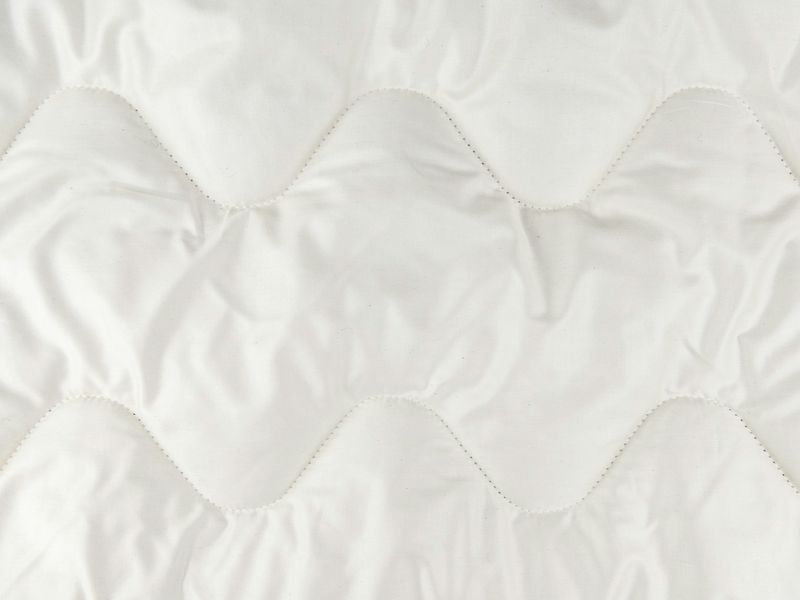
Short answer: a mattress topper is worth buying when your mattress is basically sound but feels too firm, too soft or slightly worn. Pick the material for the feel you want (memory foam hugs, latex bounces, feather and wool feel plush), pick the thickness for how big a change you want (thicker changes the bed more), and pick the firmness for your body weight and sleep position. If your mattress sags or has deep dips, a topper will not fix it.
Do you need a topper, or a new mattress?
A topper changes how the surface of your bed feels. Sleep Foundation suggests one when:
- Your mattress has light wear that makes the surface feel less even
- Your mattress feels too soft or too firm
- You want better pressure relief or temperature control
- You and your partner prefer different firmness (some toppers cover only one half of the bed)
- You are making up a guest room or vacation rental
It does not recommend a topper when a mattress is near the end of its life and its uneven surface is causing pain or pressure points. Extra cushioning only goes so far over deep indentations; at that point a topper buys a little time at most.
From Sleep Foundation, “Mattress Topper Research Methodology” and its mattress topper buying guide, read October 24, 2026.
Topper materials compared
| Material | How it feels | Good for | Watch out for |
|---|---|---|---|
| Memory foam | Close, even contouring; a snug, sinking feel | Side sleepers, pressure relief, couples who don’t want to feel each other move | Can trap heat; hot sleepers can look for gel, graphite or copper infusions |
| Polyfoam (“egg crate”) | Less hug and more bounce than memory foam | Sleepers who want to move easily; airflow from the perforations | May smell at first (off-gassing); less sturdy, so not ideal for stomach sleepers |
| Latex | Gentle contouring with a responsive, slightly bouncy feel | Cooler sleep, durability, smoothing a lumpy surface | Less pressure relief than memory foam; the bounce bothers some people |
| Feather or down | Plush and cushiony, without molding to your shape | A soft, pillowy top layer | Usually thinner; adds softness rather than support |
| Wool | Plush and breathable | Insulation in winter, breathability year-round | Changes feel less than a thick foam layer |
| Polyester / down alternative | Soft cushioning | A light, easy-care comfort layer | Usually thinner; may irritate sensitive skin |
Material notes summarized from Sleep Foundation’s topper buying guide and research methodology pages, read October 24, 2026.
How thick should a mattress topper be?
Foam and latex toppers are widely sold between about 1 and 4 inches thick; feather, down and down alternative toppers tend to be thinner. The rule of thumb: the thicker the topper, the more it changes how your bed feels. A thicker foam topper contours more closely than a thin one, and a thicker latex topper adds more bounce.
- Thin (about 1–2 in): a light change in feel; a good fit when the mattress is close to right already.
- Thick (about 3–4 in): a big comfort change; the usual pick when you want a firm bed to feel noticeably softer.
There is a trade-off. In Sleep Foundation’s experience the longest-lasting toppers are firmer and thinner, while thicker, softer toppers can lose their shape and show impressions sooner. If you want a lot of extra cushioning but still want it to last, it suggests a 3- or 4-inch topper with a medium to medium-firm feel as a compromise.
How firm should your topper be?
Toppers are rated on the same kind of 1–10 firmness scale as mattresses (1 softest, 10 firmest), and most fall between soft and firm. Material and thickness drive how firm one feels. Two things decide what suits you:
Firmness by body weight and sleep position
- Under about 130 lb: you need less support, so a softer topper usually feels best.
- About 130–230 lb: most people prefer medium to medium-firm.
- Over about 230 lb: a firmer feel usually gives the whole body enough support.
- Side sleepers: more cushioning for the shoulders and hips.
- Back and stomach sleepers: less cushioning and more support so the midsection doesn’t sink.
Remember that the topper and mattress work together. A soft topper on a firm mattress makes a big difference; the same topper on a soft mattress changes less. To firm up a mattress that feels too soft, choose a firm topper rather than a thick plush one.
Firmness guidance from Sleep Foundation, “Mattress Topper Research Methodology”, read October 24, 2026.
Topper, pad or protector?
These are easy to mix up on a listing. A topper is a separate comfort layer that changes how the bed feels. A mattress pad is usually a thinner quilted layer that adds a little softness and some protection. A protector is a thin, often waterproof cover meant to guard the mattress against spills and stains, not to change its feel. Many people use a topper with a protector over it.
Other things to check on the listing
- Size and depth: match it to your mattress size, and make sure your fitted sheets have deep enough pockets for the mattress plus the topper.
- Cover: most toppers come in a fabric cover; a removable, machine-washable one is easier to keep clean. Foam and latex cores are usually spot-clean only.
- Staying in place: look for straps or an elastic skirt if you move around a lot.
- Cooling: if you sleep hot, favor latex, perforated foam or foam with cooling infusions.
- Returns: topper return rules vary a lot, and some sellers don’t accept returns at all, so read the return policy before you order.
Quick checklist before you buy
- Mattress is sound (no deep sagging), so a topper makes sense
- Goal decided: softer, firmer, cooler or more even
- Material chosen for the feel you want
- Thickness chosen: thin for a small change, 3–4 in for a big one
- Firmness matched to your weight and sleep position
- Size matched, and sheets deep enough for the extra height
- Cover care and return policy read
Shop mattress toppers on Amazon
Check each topper’s material, thickness, firmness, size, cover care and the seller’s return policy on the listing.
Keep reading
See all toppers and protectors, or read our mattress firmness guide and hybrid vs memory foam mattress comparison.
Disclosure: As an Amazon Associate we earn from qualifying purchases. We also earn commissions from eBay and other retailers' affiliate links. Shop links on this page are affiliate links and are marked sponsored.