
Quilt vs Comforter vs Duvet: What’s the Difference and Which to Buy?
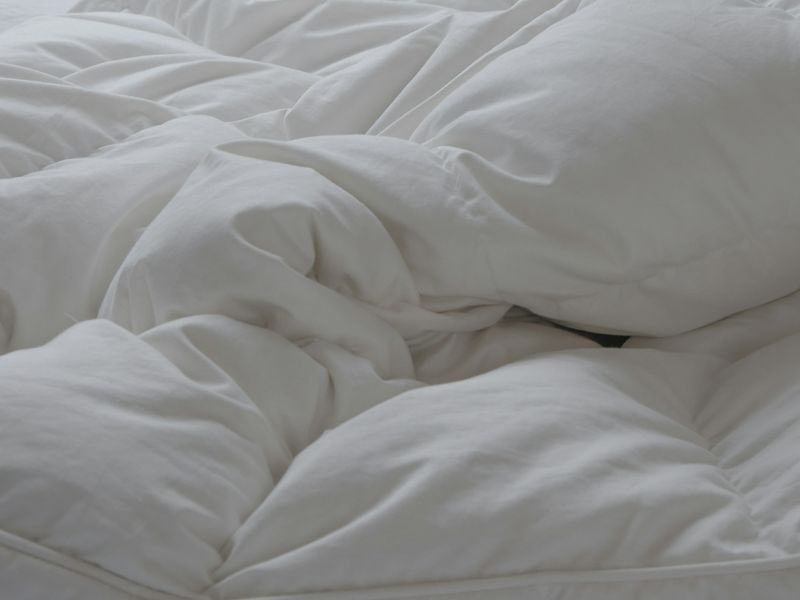
Short answer: a comforter is one finished piece with the cover sewn on, so you use it as is. A duvet is an insert that goes inside a separate, removable duvet cover. A quilt is a thinner layer of batting stitched between two layers of fabric. Duvets are usually the warmest and plushest and need washing least often, comforters are the simplest all-in-one choice, and quilts sleep coolest and suit warm rooms and summer.
Quilt vs comforter vs duvet at a glance
| Quilt | Comforter | Duvet | |
|---|---|---|---|
| What it is | Batting sandwiched between two fabric layers, held by stitching | Two fabric layers sewn together and filled; cover built in | A filled insert used inside a separate, removable cover |
| Warmth and loft | Thinnest, lies flattest, least warm | Middle: thicker than a quilt, less airy than a duvet | Thickest and fluffiest, warmest |
| Needs a cover? | No | No (some people add a cover or flat sheet) | Yes |
| Washing | Machine-made ones wash fairly easily; handmade ones need special care | Often too bulky for a regular washer; may need a large-capacity machine or dry cleaning | Wash the cover often; the insert only once or twice a year |
| Changing the look | Many are reversible | Buy a new comforter | Just swap the cover |
| Best for | Hot sleepers, warm climates, summer | An easy all-in-one, year-round bed | Cold sleepers, winter, a plush feel |
Summarized from Sleep Foundation, “Quilt vs. Comforter vs. Duvet”, read October 29, 2026.
What is a quilt?
A quilt is a layer of batting between two layers of fabric, stitched together in squares or a more detailed pattern. The batting is usually cotton, wool or down, and the outer layers are often cotton. Quilts are generally thinner than comforters and duvets, so they are less warm, but they don’t need a cover and many are reversible. Wholecloth quilts (one piece of fabric on top) are the most common store-bought kind; patchwork quilts are often handmade.
- Good: no cover needed, light and cool, reversible.
- Watch for: may not be warm enough in winter on its own; handmade or heirloom quilts need gentle washing.
What is a comforter?
A comforter is two layers of fabric, often cotton or a polyester blend, sewn together and filled with down, down alternative, cotton or wool. Many are stitched into chambers or boxes so the fill stays spread out and flattens less over time. The cover is part of the comforter, so it comes in a finished color or pattern and is often sold as part of a matching bedding set.
- Good: no cover to wrestle with, lots of styles, works for most people year-round.
- Watch for: the fill can go flat over time; many are too bulky for a standard washer; you may want an extra blanket in the coldest months.
What is a duvet?
A duvet is built much like a comforter, but it is made to live inside a removable duvet cover that fastens with buttons, ties or a zipper and attaches at the corners. The word comes from the French for down, and many inserts still use down, though down alternative, wool and cotton fills are common too. The cover keeps the insert clean and sets the look of the bed.
- Good: warmest and plushest; the cover is easy to wash; change the look by changing the cover; the insert tends to last longer because the cover protects it.
- Watch for: getting the insert into the cover takes effort; the combination can be too warm for hot sleepers; budget for a cover as well as the insert.
From Sleep Foundation, “Quilt vs. Comforter vs. Duvet”, read October 29, 2026.
Which should you choose?
- You sleep hot or live somewhere warm: a quilt, or a lightweight comforter.
- You want one piece and no fuss: a comforter, ideally one that fits your washer or that you are happy to have laundered.
- You sleep cold or want a plush, hotel-style bed: a duvet insert and cover.
- You like to change the look with the seasons: a duvet, since a new cover is all it takes.
- You want to wash as little bulky bedding as possible: a duvet, because the cover takes the dirt and the insert only needs washing once or twice a year.
Many people layer: a quilt on its own in summer, then a duvet or comforter on top of it in winter.
Deciding between down and synthetic fill? Our down vs down alternative guide compares warmth, allergies and care. Choosing sheets to go underneath? See what thread count is best.
Before you buy
- Size matches your bed (a duvet cover must match the insert’s size, too)
- Warmth level fits how hot or cold you sleep
- Fill type: down, down alternative, wool or cotton
- Stitched chambers or boxes so the fill doesn’t shift
- Corner ties or loops on a duvet insert to hold it in the cover
- Care label: machine-washable at home, large-capacity only, or dry clean
- Return terms on the listing
Shop comforters, duvets and covers on Amazon
Check each listing’s size, fill type, warmth level and washing instructions.
Keep reading
See all comforters and duvets, sheets and linen and weighted blankets, or read how to clean a mattress.
Disclosure: As an Amazon Associate we earn from qualifying purchases. We also earn commissions from eBay and other retailers' affiliate links. Shop links on this page are affiliate links and are marked sponsored.