
How Often Should You Replace Your Mattress? Lifespan by Type and 9 Signs It’s Time
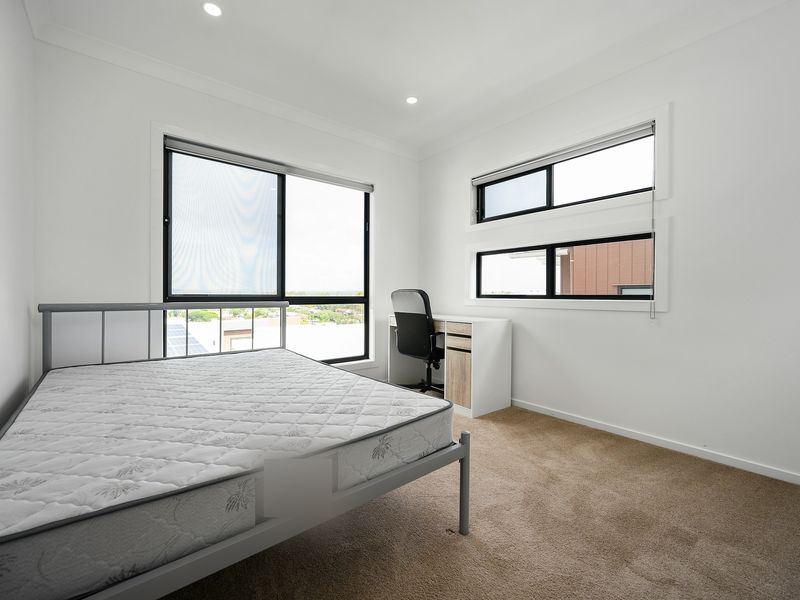
Short answer: most mattresses last about 7 to 10 years, but the real answer depends on the type, how it was built and how it is used. If you wake up sore, see a permanent dip where you sleep, or sleep better in a hotel than at home, it is probably time, whatever the age.
How long each mattress type lasts
The Sleep Foundation’s general guideline is 7 to 10 years for most mattresses (one of its older articles puts it at 6 to 8). Its average lifespan by type:
| Mattress type | Average lifespan | What usually wears out first |
|---|---|---|
| Innerspring | 5.5 to 6.5 years | Sagging; springs get noisy |
| Foam / memory foam | 6 to 7 years | Softening and body impressions |
| Hybrid | 6.5 to 7.5 years | Sagging in the comfort layers |
| Latex | 7.5 to 8.5 years | Holds up longest of the four |
From Sleep Foundation, “How Long Should A Mattress Last?” and “When Should You Replace Your Mattress?”, read October 26, 2026. These are averages, not expiry dates.
9 signs it is time to replace your mattress
- You wake up with aches or stiffness that ease during the day. Worn comfort layers can let you sink onto the firmer core and create pressure points.
- Visible sagging or a permanent body impression where you sleep. The Sleep Foundation calls permanent indentations a clear sign it needs replacing.
- You sleep better somewhere else: a hotel, a guest room, a friend’s place.
- You toss and turn, wake several times a night or take longer to fall asleep than you used to.
- You feel your partner move more than you used to. Older beds tend to transfer more motion.
- Noisy springs, which are common in old innerspring mattresses.
- It sleeps hotter than it did. Cooling materials in foam can wear out, and softer comfort layers let you sink in further.
- Allergy or asthma symptoms are worse at home. Worn mattresses collect dust mites, dander, mildew and other allergens.
- It is 7 or more years old and any of the signs above apply.
From Sleep Foundation, “Signs and Effects of a Bad Mattress” and “How Long Should A Mattress Last?”, read October 26, 2026.
What makes a mattress last longer (or wear out faster)
- Materials and build: denser foams, natural latex and thicker coils rebound better night after night. The Sleep Foundation suggests looking for a lower coil gauge (thicker coils) in innerspring and hybrid beds, and higher foam density: 1.7 PCF or more for polyfoam and 5 PCF or more for memory foam.
- Body weight and how many sleep on it: heavier sleepers and couples wear a mattress faster; a single light sleeper or a guest bed wears it slower.
- Kids and pets in the bed add weight, stains and damage.
- Care: rotating it about every 3 months (unless the maker says otherwise) and using a protector both help.
- The right base: a foundation that doesn’t fit the mattress type can shorten its life. Our box spring vs foundation vs slats guide covers which base suits which mattress.
From Sleep Foundation, “When Should You Replace Your Mattress?” and “Signs and Effects of a Bad Mattress”, read October 26, 2026.
Before you buy a new one: check the warranty
If your problem is sagging or a body impression, read your mattress warranty first. The Sleep Foundation notes that if the issue is covered, the maker may repair or replace the bed. Warranties usually define how deep an impression must be to count and what base the mattress must sit on, so measure the dip and check your foundation before you file a claim.
From Sleep Foundation, “How Long Should A Mattress Last?”, read October 26, 2026.
Not quite ready to replace it?
A topper can change how a mattress feels on top: softer, firmer or cooler. It cannot fix a sagging support core underneath, though. If the dip is in the mattress itself, a topper will sink into it too. Our mattress topper buying guide explains when a topper helps and when it doesn’t. A washable protector is worth adding either way, to keep allergens and stains out of a new or existing bed.
Replace-or-keep checklist
- Waking up sore or stiff most mornings
- Visible dip or permanent body impression
- Better sleep away from home
- Noisy springs or a hotter feel than before
- Allergies worse at home
- 7+ years old (innerspring: closer to 5 to 6)
- Warranty checked before buying a new one
Two or more ticks usually means it is time to shop. Our firmness guide and hybrid vs memory foam guide help you choose the next one.
Shop mattresses, toppers and protectors on Amazon
Check each mattress’s type, firmness, materials, trial period and warranty terms on the listing.
Keep reading
See all hybrid mattresses, memory foam mattresses and toppers and protectors, or read our mattress size guide.
Disclosure: As an Amazon Associate we earn from qualifying purchases. We also earn commissions from eBay and other retailers' affiliate links. Shop links on this page are affiliate links and are marked sponsored.